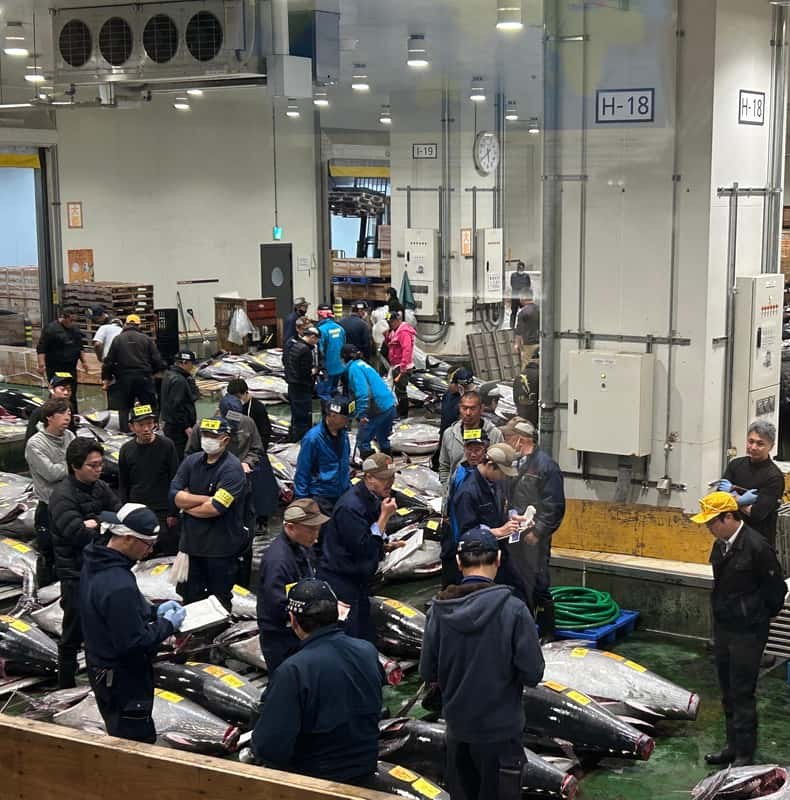
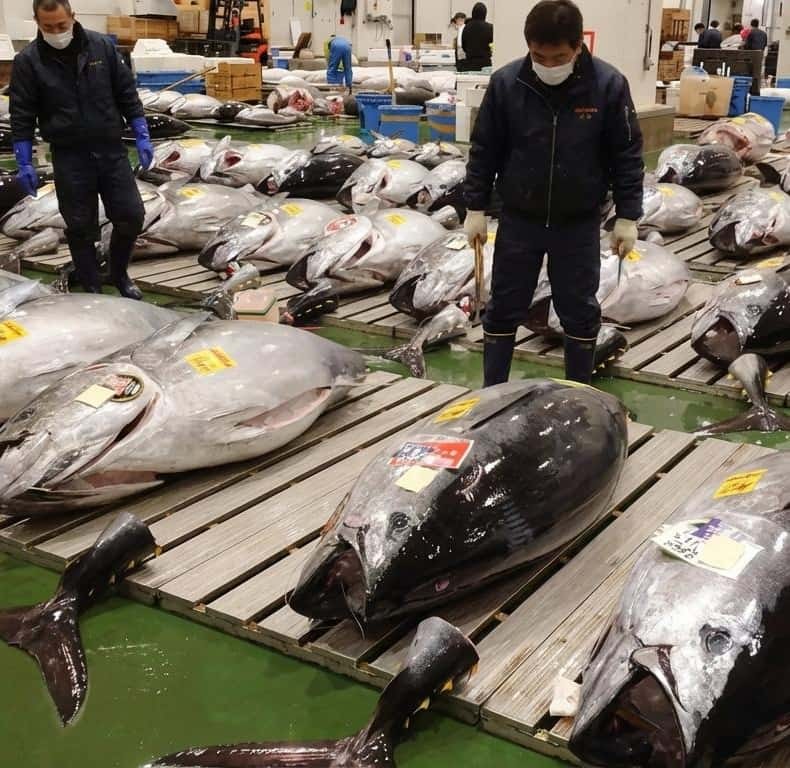
There is one week in most people's lives when a quarter-past-four alarm is easy, and it is the week they land in Tokyo from a long way west. Flying in from Europe or North America puts your body clock hours ahead of the city's, and for two or three mornings you will be wide awake before the sun. Toyosu Fish Market ticket prices are the best possible use of that.
Why the first morning is the right one
Coming east, jet lag makes you sleepy early and wakes you early. That is the wrong shape for almost everything a city offers and exactly the right shape for a fish market that opens at five and is finished by nine.
Travellers say so without being asked. One review on a captured listing describes the market as their first event, nine hours after landing. Another calls it the best possible start to a first morning in Tokyo. A third simply says it was a good way to begin.
What to book, and when
Book it for your first or second morning rather than your last. By day four your body has adjusted and a quarter-past-four alarm has become what it usually is, which is an ordeal. The market runs six days most weeks, so there is usually a morning that fits.
Check the calendar first: it closes on Sundays, public holidays and most Wednesdays, plus a handful of irregular days the market sets a year at a time. If your first morning lands on one, take the second.
The transport problem, solved before you land
Nothing runs early enough. The first Yurikamome train reaches the market well after the auction starts, so a five o'clock arrival from anywhere but Toyosu itself means a taxi. On your first morning in a new city, in the dark, with no phone plan settled and no idea where the taxi rank is, that is the part that goes wrong.
The fix is to make it somebody else's problem. Three of these mornings include the ride and two collect you at your hotel door, which on day one is worth more than it costs. Getting there sets out the alternative if you would rather arrange your own.
Why not the last morning instead
Because by then your body has adjusted, and a quarter-past-four alarm on day eight is simply a quarter-past-four alarm. It is also the morning you are most likely to have a flight, a checkout or a bag to move, and the market does not reschedule for any of them. Take the free early wake-up while it is being handed to you.
Where to stay for it
| Staying in | To the market | Why it works on day one |
|---|---|---|
| Toyosu | Walk, or under 10 minutes | No taxi at all, and you can go back to bed |
| Tsukiji | About 10 minutes | And your morning probably ends here anyway |
| Ginza | 10 to 15 minutes | Plenty of cars, and a short ride in the dark |
| Shinjuku or Shibuya | 25 to 30 minutes | Doable, but book the car the night before |
Two of these operators recommend Toyosu, Tsukiji or Ginza by name for exactly this reason. Moving hotels for a single night is a small inconvenience against a half-hour taxi at four in the morning on your first day.
What jet lag actually does to the morning
It helps twice. You are awake anyway, so the alarm costs you nothing. And the market's own timetable ends at about half past eight, which puts you back outside with a whole Tokyo day ahead and daylight to reset your body clock in.
That last part matters more than it sounds. Morning light is the fastest way to shift a body clock east, and there is no better place to be standing in it than a market roof.
What to do with the rest of the day
Something slow. You will fade by mid-afternoon whatever you tell yourself at eight in the morning, so plan the demanding thing for day two.
The natural continuation is the Tsukiji Outer Market, about three kilometres west, which is where nearly every guided morning finishes anyway. Its lanes are at their best between nine and eleven. The Tsukiji page has the hours and the rules of the place.
What to bring on no sleep
- Cash. The small stalls do not take cards, and you will want breakfast.
- Warm layers. The hall is refrigerated in every month.
- Shoes you do not mind getting wet. The floors are hosed.
- Your passport. Only if the ballot has come good, but it is in your bag anyway on day one.
- A confirmed taxi. Booked through the hotel the night before, not hunted for on the morning.
A realistic first-day timetable
The market ends its useful morning at about half past eight, which is the whole argument for doing it on day one: everything else in Tokyo is still shut, so you have lost nothing.
- 4:15. Awake, because your body thinks it is the middle of the afternoon.
- 4:40. In the taxi your hotel booked last night.
- 5:00. Through a pedestrian-deck entrance and into the corridor.
- 5:30 to 6:30. The bidding.
- 7:00. Sushi at a market counter, which is the meal people remember from the whole trip.
- 8:30. Out, into the Tsukiji lanes or back to the hotel.
- Early afternoon. The wall. Plan nothing demanding for it.
Two of the guided mornings collect you at your hotel, which removes the only step on that list that needs organising the night before.
What jet lag will not fix
It will not make the market open on a closing day, and it will not enter you in the ballot. Both of those have to be dealt with weeks earlier: the calendar because the closures move, and the ballot because its application window shuts early in the month before you travel.
It also will not make the taxi appear. Ride-hailing works in Tokyo and supply at four in the morning is thin, so book the car at the front desk the night before and give yourself twenty minutes of slack. The FAQ page covers what to bring and what to expect at the door.
Coming from the other direction
Flying west — from Australia, Southeast Asia or within Japan — the trick does not work, because jet lag pushes you the other way and four in the morning is the hardest hour of your night. In that case treat it as an ordinary early start and go to bed at nine. The best time to visit covers the calendar side of the decision.
Landing soon? Toyosu Fish Market Tours sets out every guided morning with its start time and its meeting point, and visitor information has the hours and the ballot.